In today’s fast-paced digital world, online personalities and viral trends rise and fall with incredible speed. Among these phenomena, one name that has recently captured widespread attention is naomigetsnasty. Whether you’ve come across the term on TikTok, X (formerly Twitter), Instagram, or YouTube, it’s clear that naomigetsnasty has made a strong impression on digital culture. But what exactly does it represent, and why is everyone talking about it?
The Origin of Naomigetsnasty
The phrase naomigetsnasty first began circulating on social media platforms, gaining traction through a combination of humor, attitude, and authenticity. It’s often associated with bold self-expression, confident energy, and unapologetic creativity. Naomi, the person behind the handle, became a standout figure known for her ability to combine wit, style, and entertainment value in every post.
As digital audiences crave originality and realness, naomigetsnasty embodies that energy perfectly—offering a refreshing contrast to overly curated influencer content. The persona connects with people who appreciate unfiltered moments, confident messaging, and a flair for the dramatic.
The Rise of Digital Confidence
One of the reasons naomigetsnasty gained popularity so quickly is its empowering tone. In an era when social media can often feel judgmental, Naomi’s approach celebrates individuality and confidence. The phrase “gets nasty” isn’t negative here—it represents taking control, embracing personality, and rejecting conformity.
By promoting unapologetic authenticity, naomigetsnasty has resonated deeply with younger audiences who are redefining what it means to be themselves online. Naomi’s boldness has inspired countless creators to drop the filters, speak their truth, and show their unique side to the world.
Influence on Pop Culture and Social Media Trends
The naomigetsnasty movement didn’t stop at one platform—it spread across multiple social channels and even into popular culture. Fans began creating memes, remixes, and videos inspired by Naomi’s energy. The phrase quickly became shorthand for empowerment and self-assuredness.
Many brands and influencers have taken note of this trend, adapting its bold tone into their marketing. It shows how a single, authentic personality like naomigetsnasty can influence broader social trends, from viral sounds to attitude-driven fashion aesthetics. Naomi’s impact lies not just in her content, but in how she made audiences feel—energized, inspired, and seen.
The Power of Personality in Digital Branding
At its core, naomigetsnasty demonstrates how powerful a personal brand can be in the digital space. Instead of relying on traditional influencer formulas, Naomi focused on being authentic and entertaining. Her brand isn’t built on perfection—it’s built on personality.
Audiences today crave connection more than production value. They want someone relatable, funny, and fearless. Naomigetsnasty tapped into this desire perfectly, creating a community that thrives on shared humor, self-expression, and mutual support. It’s a great example of how the internet rewards originality and authenticity over imitation.
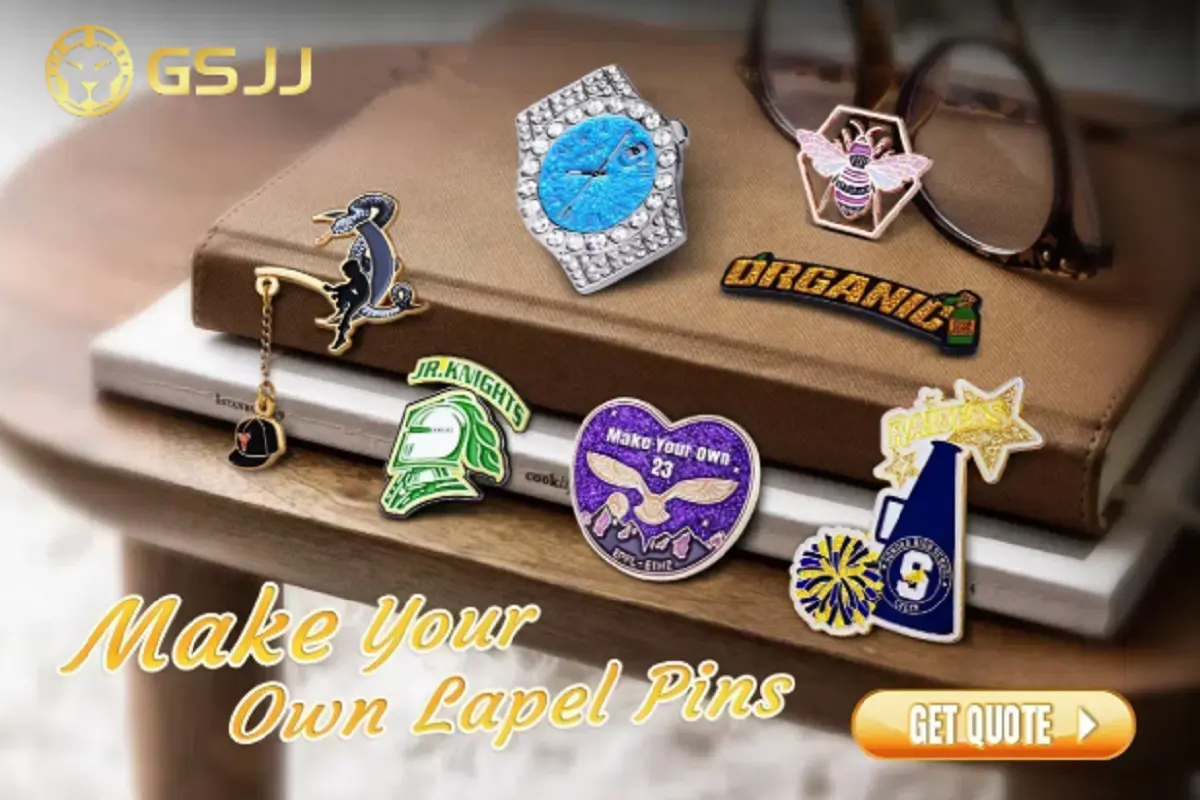
Taking Naomi’s brand and the distinct and unique brand style of Naomigetsnasty as examples, we can clearly see how unique visual elements help brands reinforce their identity beyond digital platforms.
For creators and brands with a clear brand image, Enamel Pins Canada offers a tangible way to translate that identity into a physical product.
With customizable options such as shape, color, pattern, and finish, enamel pins can reflect a brand’s tone and aesthetics, becoming collectible items for fans or serving as clever branding tools at events and collaborations.
If you want to quickly customize unique pins for your brand, GSJJ’s fast customization service can meet your needs.
Why Naomigetsnasty Stands Out
The success of naomigetsnasty can be traced to three main factors: creativity, consistency, and connection.
-
Creativity: Naomi brings a fresh, innovative approach to every post. Her content never feels recycled—it’s unique and memorable.
-
Consistency: She engages regularly with her audience, staying active and responsive. This keeps followers invested and the momentum strong.
-
Connection: Perhaps most importantly, naomigetsnasty builds a sense of community. Fans feel like part of the movement, not just spectators.
Together, these traits make Naomi’s online presence not just popular, but influential. The hashtag #naomigetsnasty has become a digital signature, symbolizing empowerment and creative energy.
Lessons from the Naomigetsnasty Phenomenon
Creators, marketers, and influencers can learn valuable lessons from the rise of naomigetsnasty. It shows that success on social media doesn’t require conforming to industry norms—it requires authenticity, boldness, and storytelling.
Naomi’s approach highlights the importance of embracing imperfections, sharing real moments, and using humor to connect. It proves that being genuine can build a more loyal and engaged following than trying to fit into an idealized image.
The Future of Naomigetsnasty
As the digital landscape continues to evolve, naomigetsnasty is poised to grow even further. With potential brand collaborations, creative projects, and audience expansion on the horizon, Naomi’s influence is only set to increase. Her story reflects a larger shift in internet culture—away from perfection and toward personality-driven expression.
Whether you’re a fan or a fellow creator, the journey of naomigetsnasty offers a blueprint for standing out online: be real, be bold, and don’t be afraid to “get nasty” in your own unique way.
Conclusion
In a world overflowing with digital content, naomigetsnasty has carved a unique space built on confidence, humor, and authenticity. It’s more than just a username—it’s a movement that encourages people to embrace who they are, without hesitation. By redefining what it means to be bold and genuine online, naomigetsnasty proves that the most powerful form of influence comes from staying true to yourself.
FAQs
1. Who is Naomigetsnasty?
Naomigetsnasty is an online creator known for her bold, confident, and authentic social media personality.
2. Why did Naomigetsnasty become popular?
She went viral for promoting self-expression, humor, and confidence in a fresh, relatable way.
3. What does Naomigetsnasty stand for?
It represents being fearless, real, and proud of who you are—without worrying about others’ opinions.
4. How did Naomigetsnasty influence social media?
She inspired many people to post authentic content and embrace their individuality online.
5. What makes Naomigetsnasty different from other influencers?
Her originality, consistency, and connection with followers set her apart from typical online creators.